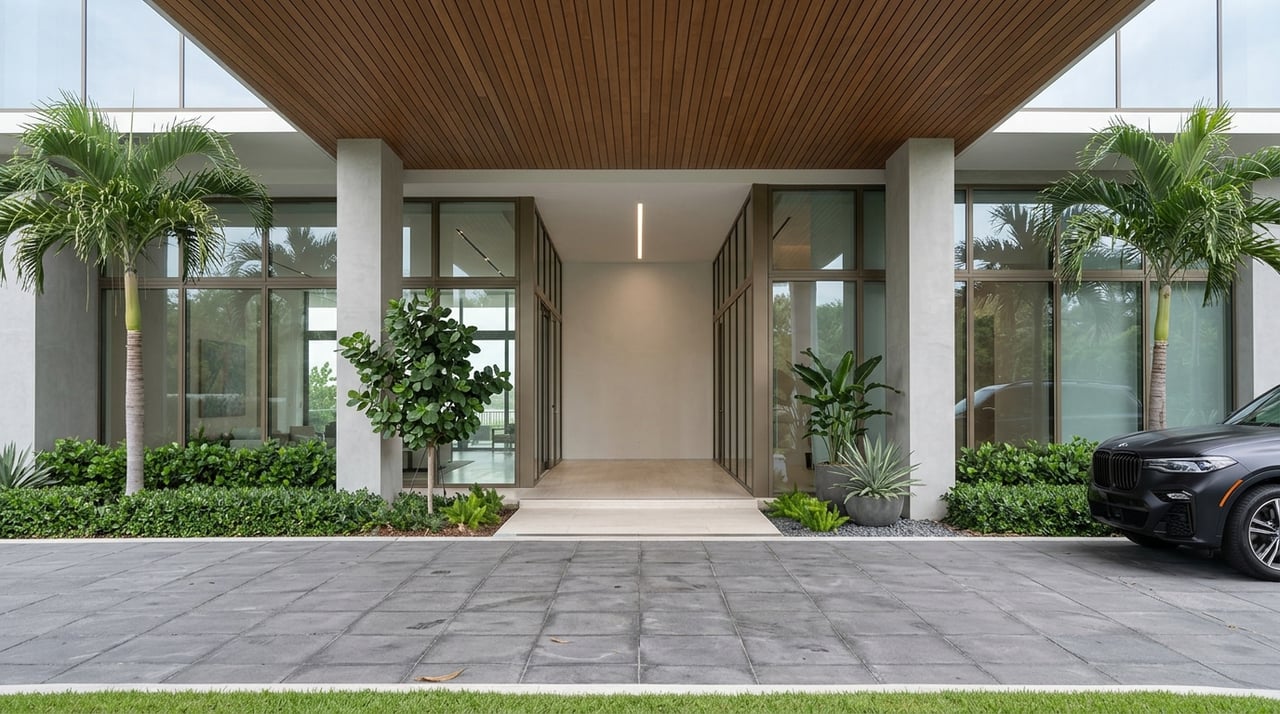
What To Expect When Buying On Fisher Island
April 23, 2026
April 23, 2026
Buying on Fisher Island is not like buying in a typical Miami condo building. From the moment you start looking, you are dealing with a private island setting, a separate master association structure, controlled transportation, and often a distinct club membership process. If you are considering a purchase here, understanding those moving parts early can save time, reduce surprises, and help you choose the right property for the way you actually plan to live. Let’s dive in.
Fisher Island is a private 216-acre island with about 800 residences and an international ownership base that the club says includes members from more than 40 countries. It sits less than two miles from South Beach and downtown Miami, yet it operates as its own access-controlled environment with transportation, services, and amenities designed for island life. According to the Fisher Island Club, access is by ferryboat or private yacht, and golf carts are the main mode of transportation.
The island also functions as a self-contained community in practical ways. The club’s history page notes on-island services such as a medical clinic, fire and rescue station, mail facility, car wash, dry cleaners, vet clinic, playground, dog park, and a pre-K through eighth-grade school. That combination of privacy, proximity, and infrastructure is a big part of what makes buying here different.
One of the most important things to know is that Fisher Island ownership usually involves more than one relationship. The first is with FICA, the master homeowners’ association, which manages common areas, transportation, public safety, public works, accounting, administration, and other island-wide functions. FICA states that buyers who purchase property on Fisher Island become FICA members.
The second layer is the Fisher Island Club, which is separate from FICA. Club equity membership is available to property owners, and it extends to the primary member, spouse, and dependent children under 24. This distinction matters because the property, the island operations, and the club lifestyle do not all sit under one simple condo association.
If you are used to driving directly into a building garage, Fisher Island will feel very different. The island is reachable by private yacht or by the private 24-hour passenger ferry, with the mainland terminal located off Miami Beach’s MacArthur Causeway. Guest access requires pre-arranged security clearance, and FICA notes that transportation operates every day of the year, 24 hours a day.
That has real implications for ownership. Showings, guest arrivals, deliveries, service appointments, and move-ins typically require more coordination than they would on the mainland. The system is designed around managed access and controlled circulation, not casual drive-up entry.
Ferries also have size limits. FICA says ferries accommodate private passenger vehicles under 24 feet long and 8 feet wide, along with certain vehicle-and-trailer combinations under stated limits. Once you are on island, golf cart transportation becomes part of everyday life.
Because of ferry access, security procedures, and the island’s layered governance, buying on Fisher Island often takes more planning than a standard Miami condo purchase. In many cases, you are not just evaluating a residence. You are also evaluating logistics, association structure, transportation habits, and whether club access is important to your lifestyle.
That means your pre-offer due diligence should go beyond finishes and views. You will want to understand the specific residential association, the master-association relationship, any rules that may affect your intended use, and the practical timing around access, approvals, and occupancy. For many buyers, especially those who split time between cities or countries, those details are just as important as the floor plan.
If club access matters to you, it is smart to understand the process early. The club’s membership information outlines a detailed checklist that includes a signed membership application, signed purchase agreement, identification documents, reference letters, background-check forms, and a $350,000 equity contribution fee. Entity buyers are instructed to request a separate entity application.
The timeline also matters. The club states that background checks may take 5 to 10 business days and can take longer for international applicants. After that, the Membership Committee reviews the file, candidates are posted for 14 days, and final board review follows, with approved memberships becoming active on the first day of the next month.
If you are buying with a tight timeline or planning immediate use of club amenities, that process should be part of your transaction strategy from the start. It is especially relevant for cross-border buyers who may need additional lead time for documentation and background review.
On Fisher Island, purchase price is only one part of the financial picture. There is also an ongoing cost structure tied to the island’s operations and, if pursued, club participation. The club’s brochure page notes that annual club rates do not include FICA annual dues, which were posted separately.
The main takeaway is simple: you should underwrite the full ownership experience, not just the acquisition. That includes island-wide dues, your building or HOA costs, and any club-related expenses that apply to your plans. A clear view of those layers helps you compare opportunities more accurately across the island’s different residential areas.
Fisher Island is best understood as a collection of distinct residential clusters rather than one uniform housing type. FICA identifies communities and associations including Bayside Village, Marina Village, Harborview, Bayview, Palazzo del Sol, Palazzo Della Luna, Palazzo del Mare, Oceanside, Seaside Villas, Valencia Estates, and Links Estates. FICA also notes that the island includes 21 condominium associations and two HOA neighborhoods.
For you as a buyer, that means product type can vary significantly within the same island address. Depending on the area, you may be comparing village-style condominiums, newer luxury tower residences, or estate-style homes. The history page also notes that residences range from 789 to more than 9,500 square feet, which shows just how broad the inventory can be.
This is one reason broad assumptions do not work well on Fisher Island. The best fit often comes down to how often you will use the property, how much space you need, whether you want lock-and-leave ease, and how important proximity is to marinas, club amenities, or other island features.
If you are buying with renovation in mind, expect a more controlled process than you would see in many mainland buildings. According to FICA’s contractor requirements, contractors and subcontractors must be approved by both the relevant condo or homeowners’ association and by FICA. They must also provide an access and indemnification agreement and pass background checks before receiving access.
FICA also states that approved workers must use the commercial transportation system. In addition, certain major renovation work is subject to seasonal and hourly limits. If your purchase depends on a fast cosmetic refresh or a larger remodel, these requirements should be reviewed before you close.
Exterior changes are regulated as well. FICA’s rules and regulations note that items such as exterior door and window replacements, shutters, and similar modifications require ACC approval. In a tightly managed island environment, renovation planning is not an afterthought. It is part of the buying decision.
A smart Fisher Island purchase starts with practical clarity. Before you write an offer, it helps to ask questions that reflect how the island actually operates.
Consider asking:
These questions may sound simple, but on Fisher Island they shape the experience in a meaningful way. The right property is not just the most impressive one. It is the one that aligns with your schedule, priorities, and preferred level of involvement.
Because Fisher Island combines private access, multiple governance layers, and varied housing types, local knowledge matters. A well-managed purchase here requires more than identifying available inventory. It requires understanding how the island functions, how timelines connect, and how to anticipate details that can affect your move, your costs, and your ownership experience.
If you are considering buying on Fisher Island, working with an advisor who understands the island’s nuances can make the process more efficient and more discreet. For tailored guidance on Fisher Island opportunities and a high-touch buying experience, connect with Debra Golan.
Stay up to date on the latest real estate trends.






Golan Group Miami at Douglas Elliman represents the finest of waterfront living. Whether you are selling or buying, count on our team to listen, understand and accomplish your goal.