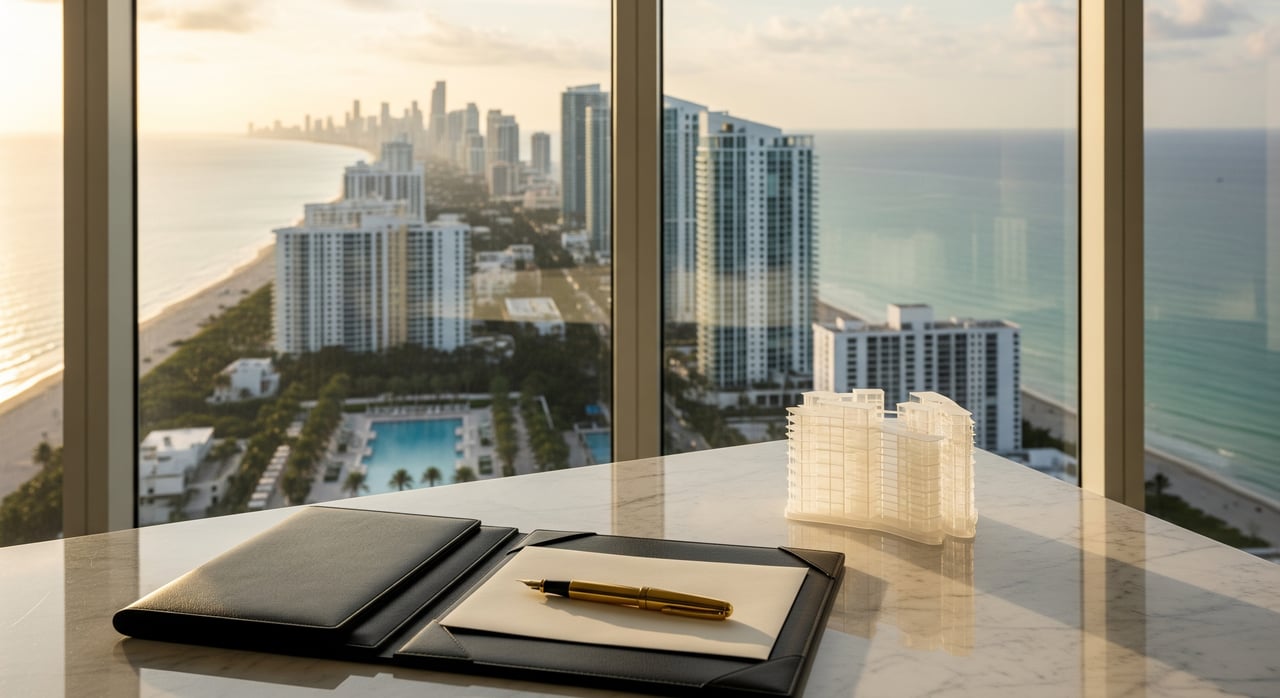
Financing Options For Foreign Buyers In Sunny Isles
January 1, 2026
January 1, 2026
Are you exploring a condo purchase in Sunny Isles Beach and wondering how financing works if you live abroad? You are not alone. Many international buyers invest here, yet the lending rules, condo reviews, and closing logistics can feel unfamiliar. In this guide, you will see practical options, common requirements, and a clear plan to move forward with confidence. Let’s dive in.
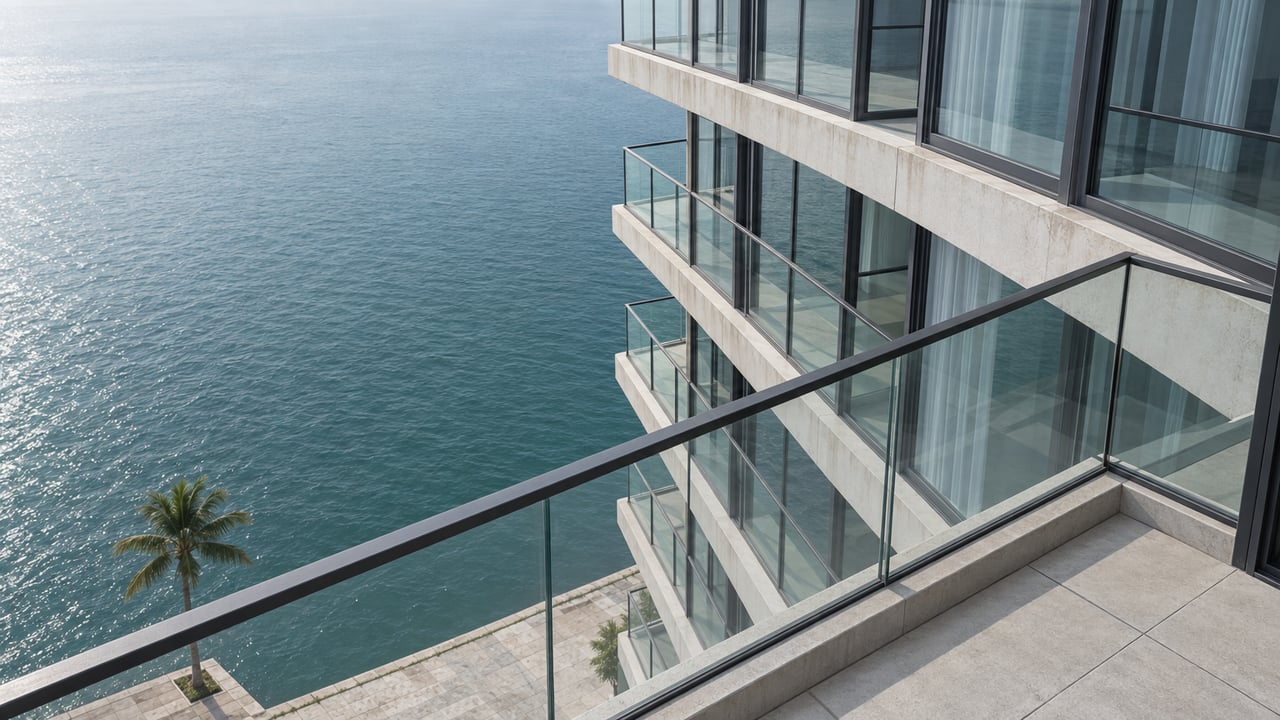
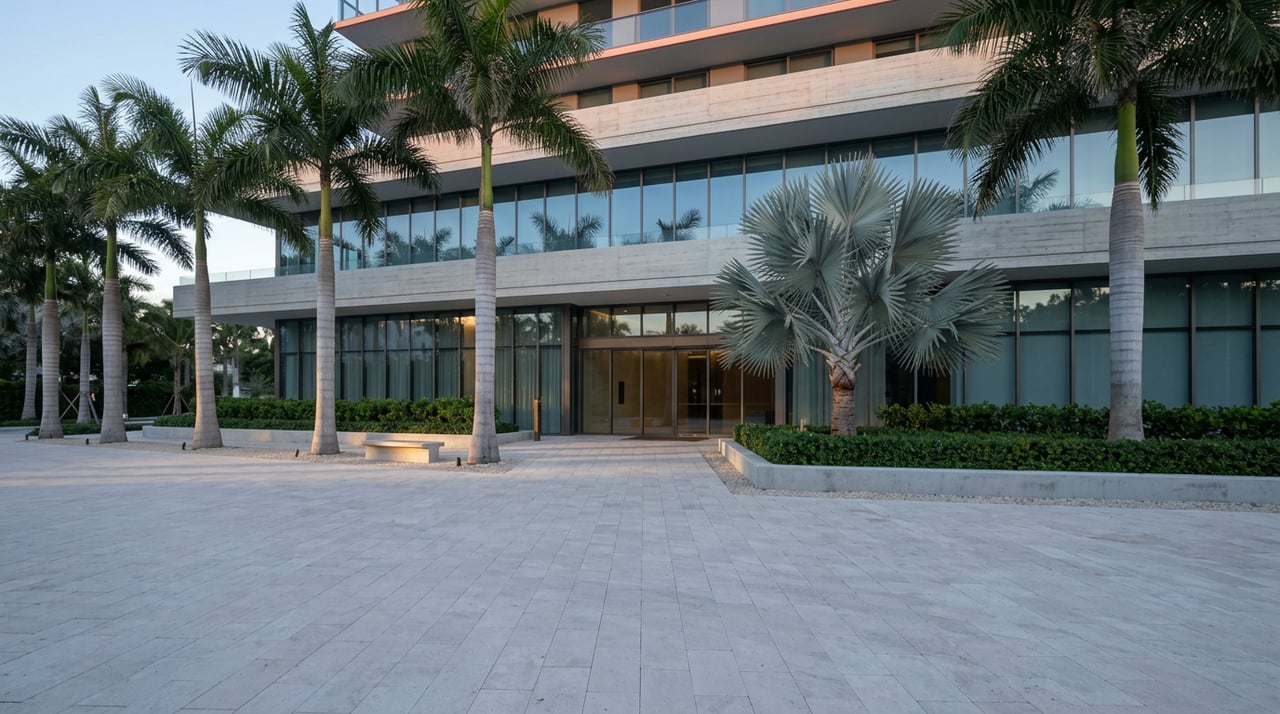
Sunny Isles Beach is a luxury, condo‑dominated market with a large share of international buyers and investors. Many purchases close in cash or through private banks, which shapes lender appetite and program availability. Lenders also look closely at flood and hurricane exposure, insurance costs, and building recertifications, which are common factors on the Miami coastline.
Condo associations play a major role in financing outcomes. After the Surfside tragedy, lenders and insurers increased scrutiny on structural inspections, reserves, and any material repairs. If a building shows financial stress, active litigation, or insurance gaps, some lenders reduce allowable loan‑to‑value or decline the project.
You have several viable pathways as a non‑resident foreign buyer. The best fit depends on your asset profile, desired leverage, and the condo’s eligibility.
Portfolio loans from U.S. banks and mortgage companies keep loans in‑house and set their own rules. Typical LTV for non‑resident foreigners is often 50 to 70 percent, with rates higher than conforming loans. These programs are useful when a building does not meet agency condo standards.
If you maintain assets under management, private banks can structure bespoke solutions. Typical LTV ranges 40 to 70 percent, guided by your relationship, collateral, and overall balance sheet. Underwriting may rely more on assets than income, with strict KYC and documentation.
Some foreign banks lend in U.S. dollars through their U.S. offices to clients from their home markets. Typical LTV ranges 40 to 70 percent and terms depend on your bank relationship and country of origin.
National jumbo lenders will consider foreign nationals, though requirements are stricter. Many require 20 to 50 percent down, and it is less common to see LTV above roughly 70 to 80 percent for non‑resident foreigners. Expect more documentation and a stronger overall profile.
Agency conventional loans and FHA are generally limited for foreign nationals. These often require U.S. credit history, immigration eligibility, and strict condo approvals that many Sunny Isles luxury buildings do not meet.
High‑net‑worth buyers sometimes opt for securities‑backed lines of credit or other asset‑based facilities to close quickly without liquidating investments. Bridge loans provide short‑term liquidity, usually at higher cost, while you arrange permanent financing or sell other assets.
Seller financing is possible but rare at the high end. Terms are negotiable and depend on the seller’s goals and risk tolerance.
Plan ahead for more documentation and verification than a typical domestic loan. Providing a clear, translated file early helps maintain momentum.
Timing often runs longer for foreign‑national files. Expect 45 to 75 days or more, due to international verifications, translations, wire checks, and condo reviews.
Lenders underwrite both you and the building. Even strong buyers can face reduced LTV or program limits if the project shows risk.
In Florida, domestic buyers often place 1 to 5 percent as earnest money. In competitive Sunny Isles deals, foreign buyers may see higher or non‑refundable deposit structures, especially in new developments. Title companies accept international wires, but they follow strict identity checks and may hold funds until cleared.
International wire timing and currency conversion can add days. Using a U.S. dollar account or a correspondent bank often speeds clearing and reduces FX risk. Always confirm wiring instructions directly with the title company by phone to avoid fraud.
For financed purchases, lenders require appropriate condo insurance. The master policy structure matters, and you may need an HO‑6 policy to cover contents, improvements, and deductibles. Flood insurance is required when the property lies in a designated flood zone and a federally related mortgage exists.
If you cannot attend closing, a power of attorney can work if it meets Florida standards and is acceptable to the title company and lender. Coordinate this early, since some lenders limit POA use.
Many international buyers prefer flexibility and speed. These strategies help you compete without rushing asset sales.
Financing choices often intersect with ownership structure and tax planning, especially for nonresident buyers.
Coordinate early with a U.S. tax attorney, cross‑border estate planner, and Florida closing counsel. The right structure should balance privacy, estate goals, and lending program requirements.
Use this checklist to streamline underwriting and avoid delays:
Buying in Sunny Isles should feel seamless. Our approach is practical and discreet, built for cross‑border clients who expect clarity and results. We guide you through building‑level nuances, review timelines, and coordinate details with your chosen lender, attorney, title company, and insurance providers. The goal is simple: position you to secure the right residence with the right financing on your terms.
If you are considering a purchase in Sunny Isles or along the Miami Beach to Bal Harbour corridor, let’s talk about your goals, timing, and structure. For a confidential conversation, connect with Debra Golan.
Stay up to date on the latest real estate trends.
Golan Group Miami at Douglas Elliman represents the finest of waterfront living. Whether you are selling or buying, count on our team to listen, understand and accomplish your goal.