What It Feels Like To Live In Downtown Miami
April 16, 2026
April 16, 2026
If you picture Miami as all beach days and resort streets, Downtown may surprise you. This part of the city feels more like a true urban core, with high-rise living, waterfront parks, museums, performance venues, and transit all packed into a compact area. If you are wondering what day-to-day life here actually feels like, this guide will help you understand the rhythm, convenience, and lifestyle that define Downtown Miami. Let’s dive in.
Downtown Miami is best understood as a compact urban core, not a single neighborhood. According to the Miami Downtown Development Authority, the broader downtown development area includes Brickell, the Central Business District, and the Arts and Entertainment District across 927 acres.
That mix shapes how the area feels. You are surrounded by residences, offices, cultural institutions, hotels, government buildings, shops, and public spaces, all layered together in one walkable district. The result is a setting that feels active, connected, and distinctly metropolitan.
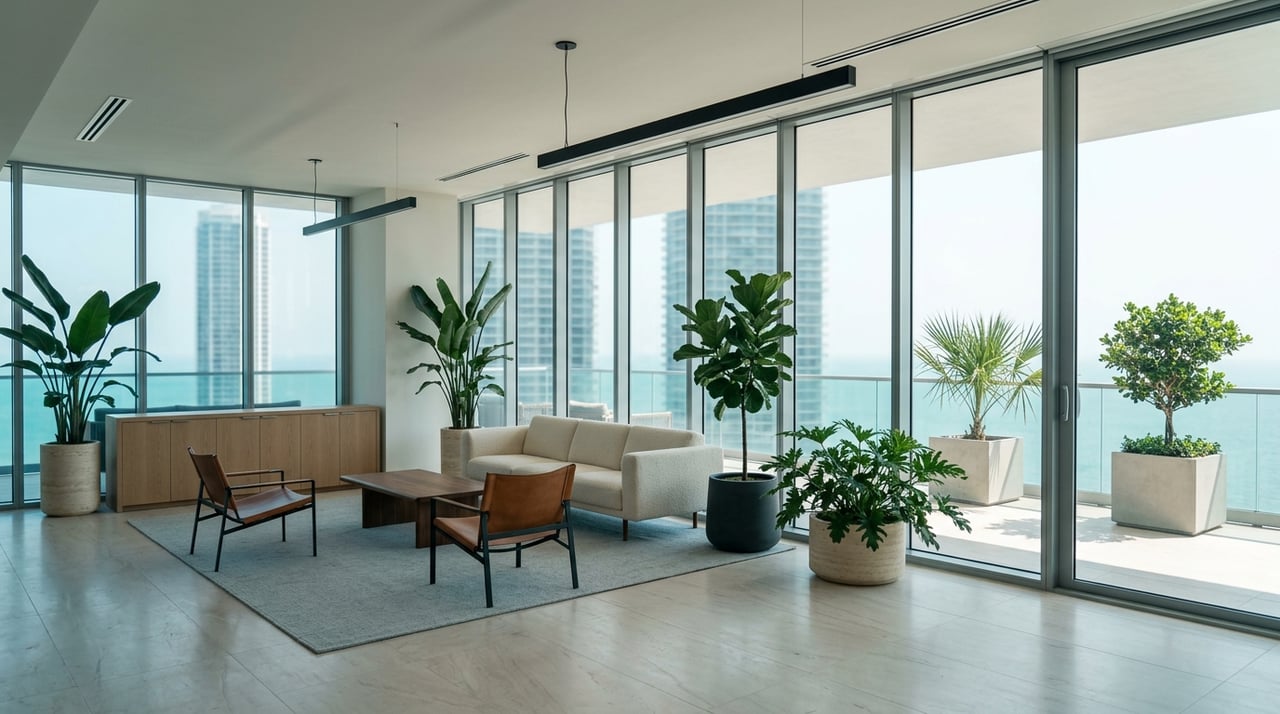
In Downtown Miami, vertical living defines the experience. The DDA describes Downtown as a walkable vertical district with some of the city’s newest housing stock, which means your home is more likely to come with skyline or bay views than a front yard or a low-rise streetscape.
That gives daily life a polished, elevated feel. You may start your day looking out over Biscayne Bay, head downstairs to street-level retail or transit, and end the evening with city lights outside your windows.
Because Downtown blends residential towers with offices, retail, hotels, museums, and civic spaces, the neighborhood has movement throughout the day. Mornings can feel purposeful and busy, afternoons stay energized, and evenings bring a different pace as people head to dinner, events, and waterfront spaces.
The Greater Miami Convention & Visitors Bureau describes the Downtown Miami and Brickell area as an energetic urban core known for dining, art, and entertainment. If you enjoy being in the middle of activity rather than tucked away from it, that energy can be a major part of the appeal.
One of the biggest surprises about Downtown is how easy it is to stay connected to the water. Bayfront Park spans 32 acres along Biscayne Bay and includes open green space, waterfront views, and even a small sand beach.
The area also includes the Baywalk and Riverwalk, which together create nearly 5 miles of waterfront paths. Nearby, Maurice A. Ferré Park adds more bayfront space, public art, and direct access to the museum campus, making outdoor time feel built into your week rather than something you need to plan far in advance.
Downtown Miami stands out because major cultural destinations are not occasional outings here. They are part of the neighborhood fabric. Pérez Art Museum Miami sits along Biscayne Bay, while Frost Science shares the same park and brings together an aquarium, planetarium, and science museum experience.
You also have HistoryMiami Museum in the downtown area, which adds another layer to the district’s civic and cultural identity. If you like living near museums, public art, and year-round programming, Downtown offers a level of access that feels unusually easy.
For many residents, evenings and weekends revolve around performances, sports, and large-scale events. The Adrienne Arsht Center presents more than 300 performances a year, including free community programming.
The nearby Kaseya Center, set on Biscayne Bay, hosts 80-plus non-basketball events each year in addition to major sports events. That means your week can include everything from live music and touring productions to arena events, often without needing to leave the district.
Downtown living also means many daily and social needs sit within a compact radius. Bayside Marketplace offers a waterfront shopping and entertainment hub, while the broader downtown area connects easily to Brickell City Centre and Mary Brickell Village for dining and retail.
In practical terms, that can make the lifestyle feel more seamless. Dinner plans, errands, casual walks, and last-minute outings are often close at hand.
One of Downtown Miami’s biggest strengths is mobility. The free Metromover runs seven days a week through Downtown Miami, Omni, and Brickell, connecting riders to major destinations including Kaseya Center, Bayside Marketplace, Miami Dade College, and county offices.
For shorter local trips, the DDA’s free all-electric Freebee circulator service connects Brickell, the Central Business District, and the Arts and Entertainment District. The goal is simple: reduce short car trips and make local movement easier.
Downtown is also supported by a growing micromobility network. The DDA highlights separated bike lanes connecting Government Center, MiamiCentral, Miami Dade College, and several Metromover stations.
For regional travel, MiamiCentral is a major hub linking Brightline, Metrorail, Metromover, and the bus system, with Tri-Rail direct service to MiamiCentral beginning in January 2024. If you value options beyond driving, Downtown delivers more flexibility than many other parts of South Florida.
Downtown’s location also makes it easy to reach key destinations across the region. The DDA notes that the district is less than seven miles from Miami International Airport, borders PortMiami, and sits about six miles from the beach.
You can even travel between Miami Beach and Downtown by water. The GMCVB transportation guide notes that weekday water taxi service takes about 20 minutes, which adds another layer to the area’s connected feel.
People often group Downtown and Brickell together, but the feel is not exactly the same. Brickell is part of the broader downtown development area, yet it has a more finance-forward identity. The GMCVB describes Brickell as Miami’s financial district, known for soaring high-rises, upscale restaurants, lively bars, outdoor shopping, and bayfront parks.
Downtown, by contrast, leans more civic, cultural, and transit-oriented. It is where you find major museums, performance venues, government buildings, public waterfront space, and regional transportation links all in close reach. If Brickell often feels sleek and business-centered, Downtown tends to feel broader in purpose and more layered in how you experience it.
The contrast with Miami Beach is even clearer. The City of Miami Beach frames Miami Beach as a distinct island city known for beaches, architecture, and an oceanfront setting. Official city materials also describe it as a 7-mile island between the Atlantic Ocean and Biscayne Bay.
That creates a very different lifestyle. Downtown Miami is bayfront, urban, and transit-connected, while Miami Beach feels more ocean-oriented and resort-driven. A simple way to think about it is this: Downtown is where you choose a walkable city core with culture and connectivity, while Miami Beach offers a more beach-centered environment across the bay.
Downtown can be a strong fit if you want your home base to feel connected and efficient. Many buyers are drawn to the area for reasons like these:
For some buyers, that combination feels energizing. For others, it can feel busier than they want. The key is understanding your preferred rhythm before you choose where to live.
If you had to sum it up simply, Downtown Miami feels like living inside Miami’s bayfront urban center. It is vertical, walkable, active, and closely connected to culture, transit, and waterfront public space.
If you are comparing Miami lifestyles and want thoughtful guidance on where your priorities align best, Debra Golan offers a discreet, high-touch approach shaped by deep local market knowledge and a refined understanding of how each area truly lives day to day.
Stay up to date on the latest real estate trends.


Golan Group Miami at Douglas Elliman represents the finest of waterfront living. Whether you are selling or buying, count on our team to listen, understand and accomplish your goal.