Craving a turnkey oceanfront escape where you can land, drop your bags, and head straight to the beach? Sunny Isles Beach offers that lifestyle in a tight corridor of high-rise towers that cater to seasonal and international buyers. In this guide, you’ll learn how to choose the right building, balance amenities with carrying costs, and understand rental and safety rules that affect value. Let’s dive in.
Sunny Isles at a glance
Sunny Isles Beach is a concentrated oceanfront high-rise market with a strong global buyer pool and seasonal demand. Inventory spans ultra-luxury branded towers, full-service luxury buildings, boutique options, and older stock. Recent local market summaries show pricing that ranges from high six to low seven figures, with wide spreads by building and tier. Price per square foot also varies sharply, so it pays to compare building by building.
Pick your tower type first
Ultra-luxury branded and trophy towers
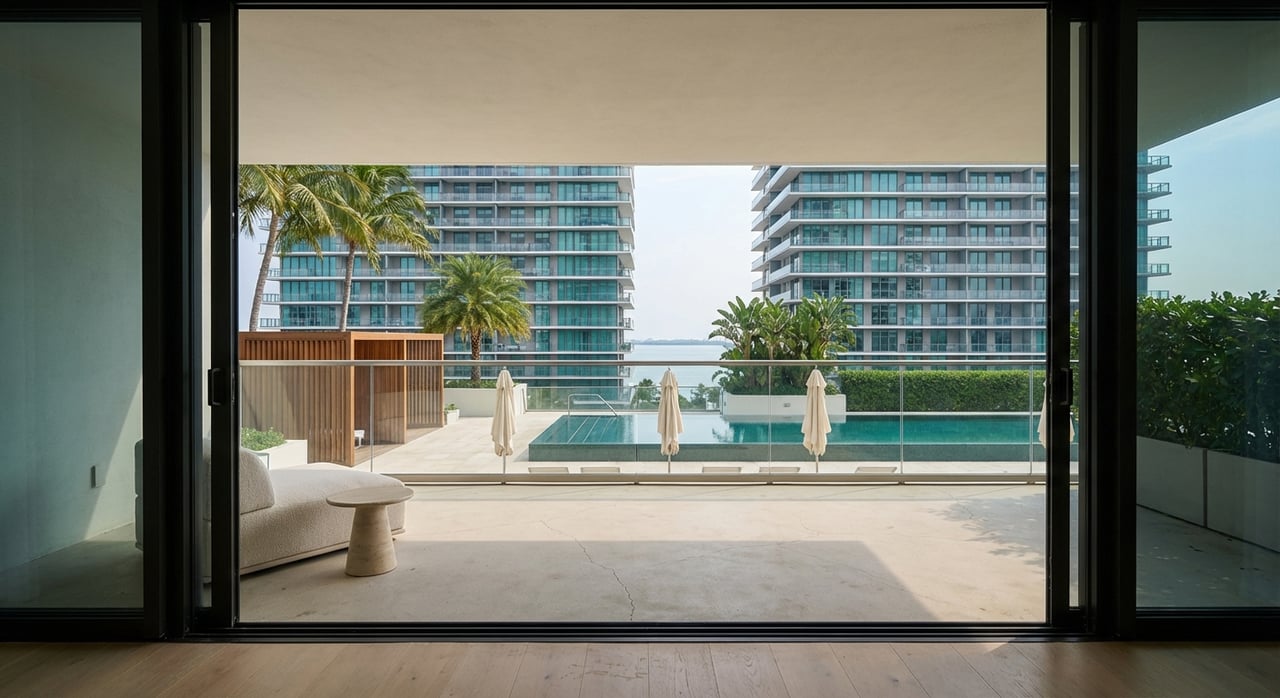
Think signature architecture, large floor plans, private elevator foyers, and in-residence services. These buildings often include extensive five-star amenities, private beach programs, and sometimes in-unit or in-sky garages. You get a turnkey lifestyle and strong long-term appeal, paired with higher purchase prices and higher HOA dues.
Full-service luxury towers
Built mainly in the 2010s, these deliver modern finishes with resort amenities like pools, spa, fitness, valet, and concierge. Units are often a bit smaller than in trophy buildings, and carrying costs can be more manageable. They fit buyers who want a resort feel without the super-trophy price point.
Boutique and mid-luxury
Smaller buildings with fewer units and a more tailored amenity set. You may see lower annual dues and a quieter resident profile. These can be ideal if you want privacy and lower fixed costs while staying close to the sand.
Older stock
Pre-2000 buildings can offer lower entry prices and typically lower monthly HOA fees. The tradeoff is greater exposure to special assessments, recertification work, and variable services. Careful review of reserves and recent inspections is essential.
Amenity and service level: what you pay for
Full-service living adds comfort but also affects the bottom line. Daily housekeeping, in-residence dining, concierge, and hotel-style management can be game changers for occasional use. Confirm which services are included in dues and which are billed per use. Align the service level with how often you will be here and how hands-off you want to be.
View, floor, and exposure tradeoffs
- Oceanfront, high floors: premium pricing and strong resale appeal. You may experience more wind exposure and, in some cases, different insurance considerations.
- Lower floors: often more usable terraces during windy days and a smaller price premium. Ground-level storm dynamics differ by building; review the building’s flood data.
- Bay or intracoastal views: consider sunrise vs. sunset exposure, privacy from neighboring towers, and daily light patterns that match your routine.
Know your carrying costs
HOA and monthly maintenance
HOA dues vary widely by tower and amenity tier. Ultra-luxury towers commonly have higher per-square-foot dues or flat monthly amounts. Always compare dues at the unit level and confirm what they include.
Property taxes
Miami-Dade property taxes combine county, municipal, and school millages and may include non-ad valorem assessments. Estimate planning at a high level, but run exact numbers using the parcel’s folio on the Miami-Dade Property Appraiser. This will help you model year-one and ongoing holding costs.
Insurance: homeowners, wind, and flood
Florida insurance pricing and carrier availability have shifted in recent years. State-backed Citizens influences market pricing, and published regional rate changes provide context on trends. Review your policy type, deductibles, and whether the building’s master policy has a large wind deductible that could lead to post-storm assessments. See Citizens’ recent rate change information and obtain unit-specific quotes early.
Building safety, reserves, and inspections
Florida’s SB 4-D requires “milestone” structural inspections for condominium buildings three stories or higher at set ages, plus ongoing structural integrity reserve studies that cannot be waived. These rules are meant to safeguard buildings and have increased the number of remediation plans and assessments in some communities. Review the statute and request the building’s reports early in your process. Learn more about Florida Statute 553.899.
What to request:
- Latest milestone inspection reports or a clear schedule, plus any engineer letters.
- Structural Integrity Reserve Study and current reserve balances.
- Recent HOA budgets and meeting minutes, including any special assessment history or planned capital projects.
Flood and sea-level considerations
Flood zone and elevation data directly affect insurance pricing and lender requirements. Ask for the building’s Elevation Certificate and confirm the parcel’s flood zone and base flood elevation. Sunny Isles Beach hosts a public portal where you can review local flood information and mitigation resources. Start with the city’s Flood Protection resources and Forerunner profiles.
Renting your second home: know the rules
If short-term rental income is part of your plan, align the building’s rules with the city’s licensing requirements before you write an offer.
- City license: Sunny Isles defines a Short-Term Vacation Rental as any multi-family unit rented for six months or less and requires a city STR license. The application includes a consent letter from the condominium association and has occupancy and compliance obligations. Review the city’s short-term rental licensing page.
- Association rules: Buildings vary widely. Some allow shorter stays and multiple leases per year, while many luxury towers require longer minimums or limit the number of leases. These policies directly affect your income potential and flexibility. Always confirm the declaration and bylaws, and get written confirmation that your intended rental structure is permitted.
- Responsible party: The city requires a designated contact who can respond 24/7 and maintain guest lists. Expect platform registrations and tourist tax compliance.
Make a smart shortlist
Use a simple 1 to 5 scale across key categories to compare candidates apples to apples:
- Product and unit fit: size, floor plan, private elevator, garage access.
- Service level: concierge, housekeeping, in-house dining, house car.
- Carrying cost predictability: reserves, insurance stability, HOA history.
- Rental and liquidity rules: association lease terms, city STR allowance, historical results.
- Physical and climate risk: flood zone, elevation, inspection history.
Score each building quickly, then tour only the top contenders. This keeps your search focused and efficient.
Due diligence checklist
Before you fly in or schedule showings, ask your agent to compile a single document set for each target building. It should include:
- Governing documents: declaration, bylaws, house rules. Verify the rental clause and any waiting periods. The city requires association consent for STR licensing, so alignment is critical. See the city’s STR overview.
- Financials and safety: current operating budget, latest reserve study, and milestone inspection reports or schedule per Florida Statute 553.899.
- HOA minutes and assessments: last 12 to 24 months of meeting minutes, plus any adopted or pending special assessments and capital projects.
- Insurance: building master policy, carrier names, renewal history, wind deductible levels, and any outstanding claims. Pair this with an illustrative unit quote and review recent context from Citizens’ rate change updates.
- Flood documentation: Elevation Certificate and any local flood mitigation materials from the Sunny Isles Beach Flood Protection portal.
- Taxes: current and projected property taxes using the Miami-Dade Property Appraiser and Tax Collector records.
- Financing: confirm whether the condo is eligible for FHA, VA, or agency financing using HUD’s condominium search. If not, plan for jumbo or portfolio options.
- International items: for foreign sellers down the road, understand FIRPTA withholding basics and plan with tax counsel. A plain-language primer on FIRPTA is available here.
- Seller disclosures and any additional engineer reports beyond the state-required milestones.
Red flags worth a pause
- Major deficiencies in a recent milestone inspection or a phase 2 requirement without a funded remediation plan. See inspection timelines in Florida Statute 553.899.
- Repeated special assessments, thin reserves, or reliance on loans to cover operations. Broader reporting has highlighted how underfunded reserves can drive surprise assessments, as discussed in this Associated Press summary.
- Unusually large building wind deductibles that shift risk to owners after a storm.
- Litigation that could threaten project solvency or financing eligibility, which can impact resale and lending options.
- Rental rules that conflict with your intended use or income plan.
A five-step path to purchase
- Clarify your use pattern: weeks per year, family size, desire for services, and whether rentals matter.
- Pick your tier: trophy, full-service luxury, boutique, or older value buys, then set a target dues range.
- Build a focused shortlist: 3 to 5 buildings that score highest on fit, service, cost predictability, rental rules, and risk.
- Run the numbers: taxes, insurance, and HOA for each finalist, with real quotes and the most recent financials.
- Tour and verify: walk the property, feel the light and views, and review association documents before final negotiations.
Your edge in Sunny Isles
Second homes work best when the building, service level, and rules match how you live. With a clear tier, a disciplined checklist, and early clarity on dues, insurance, inspections, and rentals, you can choose confidently and enjoy your time here from day one.
If you want a curated shortlist and a single due diligence packet for each contender, connect with Debra Golan for a confidential consultation tailored to how you plan to use your Sunny Isles Beach home.
FAQs
What should I budget for Sunny Isles condo HOA fees?
- HOA dues vary by building and amenity tier, from boutique to ultra-luxury; compare per-square-foot or flat monthly fees by unit and confirm what services are included.
How does Florida’s condo inspection law affect my purchase?
- Florida’s SB 4-D requires periodic milestone inspections and structural reserve studies; ask for the latest reports and reserve balances to gauge future assessment risk.
Can I rent my Sunny Isles Beach second home short term?
- The city requires a Short-Term Vacation Rental license for stays of six months or less and a condo association consent letter; confirm the building’s rental rules before you buy.
How do flood zones impact insurance for Sunny Isles condos?
- Flood zone and elevation influence lender requirements and premiums; request the Elevation Certificate and review city flood resources to understand coverage and costs.
What documents should I review before making an offer?
- Ask for bylaws, rental rules, budgets, reserve study, milestone inspection reports, HOA minutes, master insurance details, flood documents, tax records, and seller disclosures.