Miami Beach Historic Vs New Luxury Condos Explained
June 18, 2026
June 18, 2026
Choosing between a historic Miami Beach condo and a new luxury tower is not just about style. It is about how you want to live, what level of maintenance risk you are comfortable with, and how much value you place on character versus convenience. If you are weighing both paths, this guide will help you compare the trade-offs clearly so you can make a smarter Miami Beach decision. Let’s dive in.
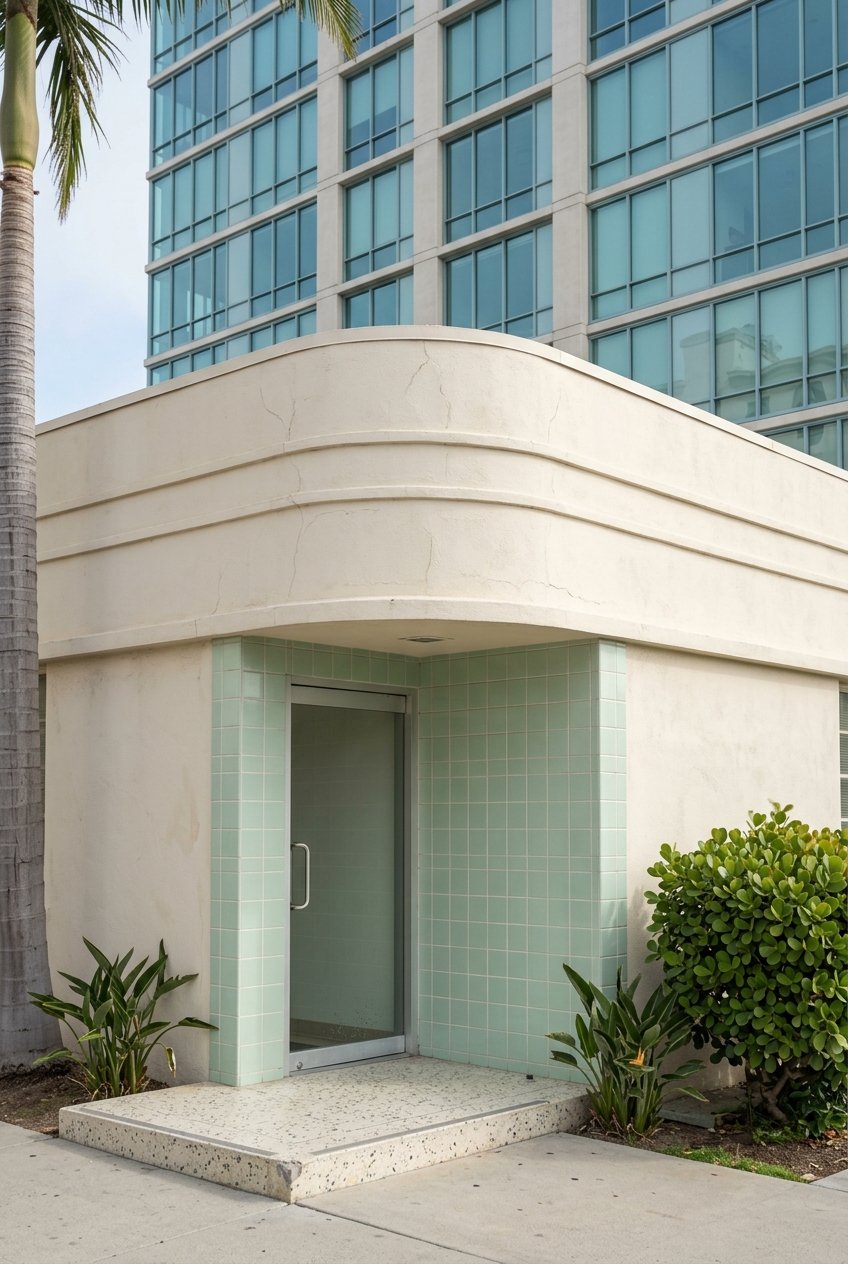
Miami Beach is not a typical condo market. The city says it has the world’s largest collection of Art Deco structures, with more than 800 properties built between 1923 and 1943. Its historic districts include more than 2,600 buildings, and about 70% are contributing or historic.
That architectural depth shapes the buying experience in a real way. In Miami Beach, you are often choosing between two very different ownership experiences: a building with landmark character and preservation rules, or a newer residence built around amenities, service, and modern systems.
In Miami Beach, historic usually means more than “older.” The city’s historic districts are formally recognized, and the Miami Beach Architectural District became the first urban 20th-century historic district listed on the National Register of Historic Places in 1979.
The city also separates its design eras clearly. Art Deco is known for geometric, sculptural forms. MiMo, or Miami Modern, reflects a postwar style with larger windows, open spaces, neon, glass block, and terrazzo.
If a property is designated historic, exterior changes are regulated differently from those in non-historic buildings. The Historic Preservation Board can issue or deny certificates of appropriateness and demolition-related approvals.
For you as a buyer, that means the building’s appearance and architectural details may be more protected. It also means future updates may involve a more structured approval process than in a newer tower.
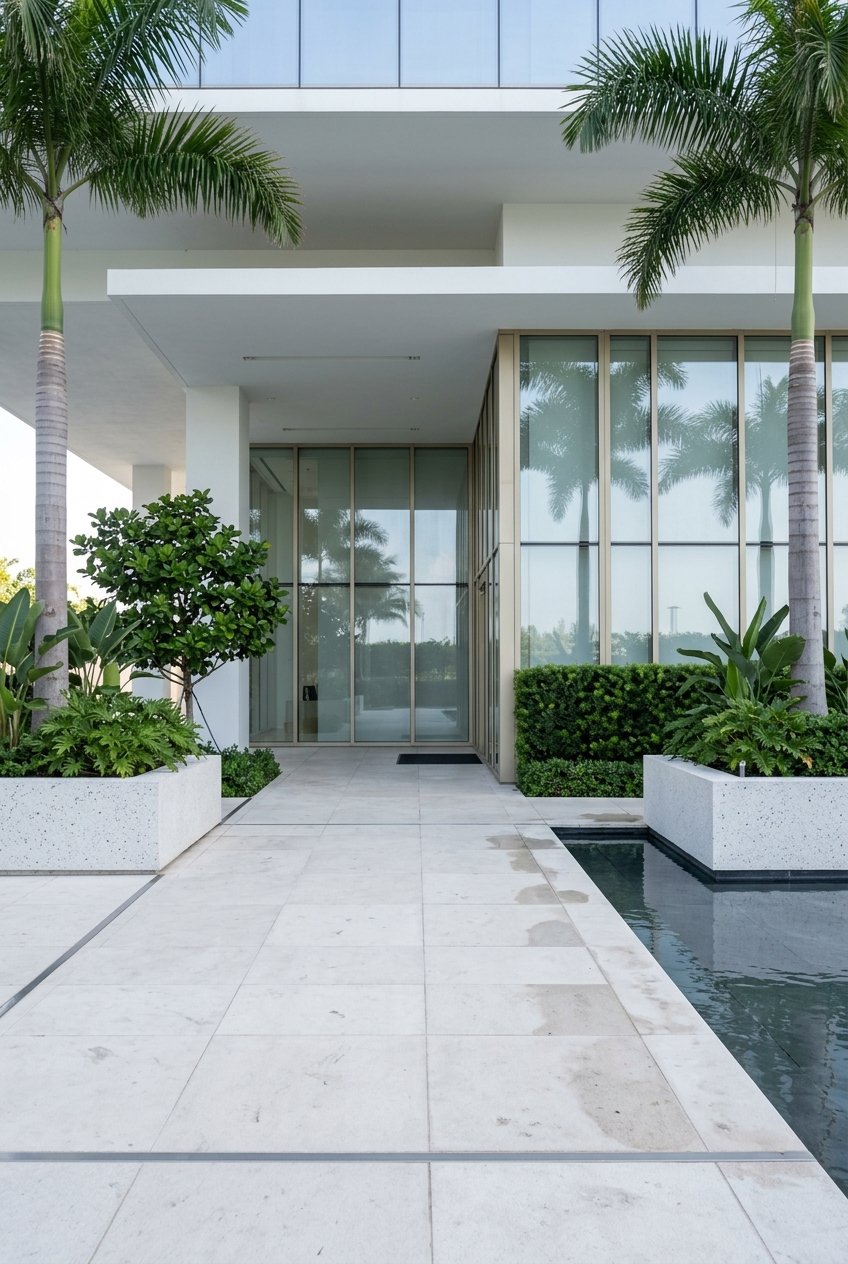
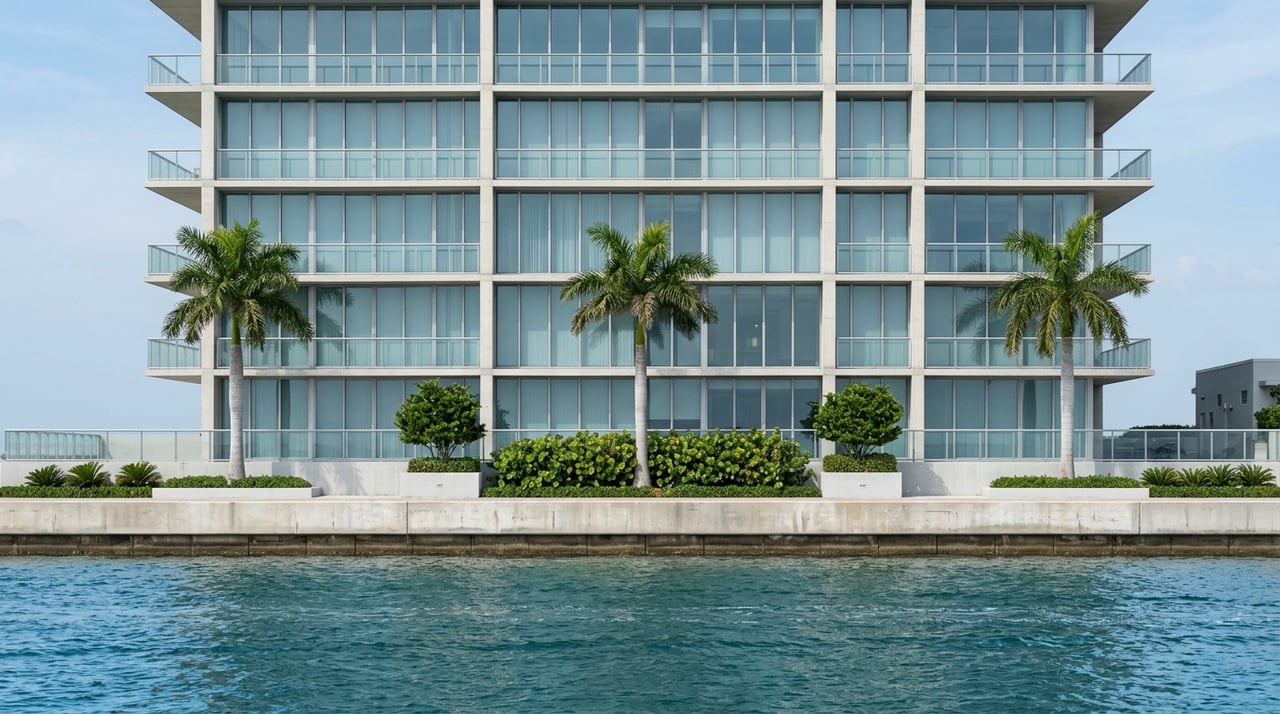
New luxury condos in Miami Beach are designed around a very different set of priorities. Many focus on larger residences, private arrival experiences, contemporary finishes, and extensive amenities that support full-time living or a lock-and-leave second-home lifestyle.
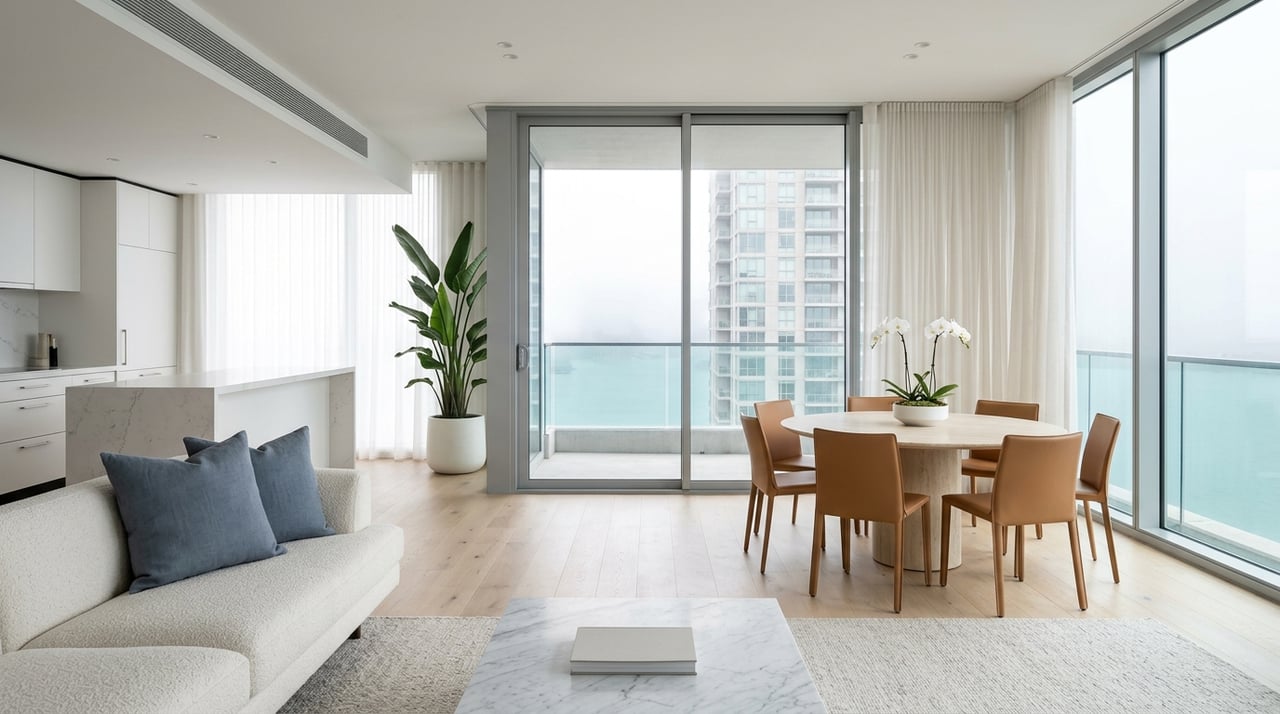
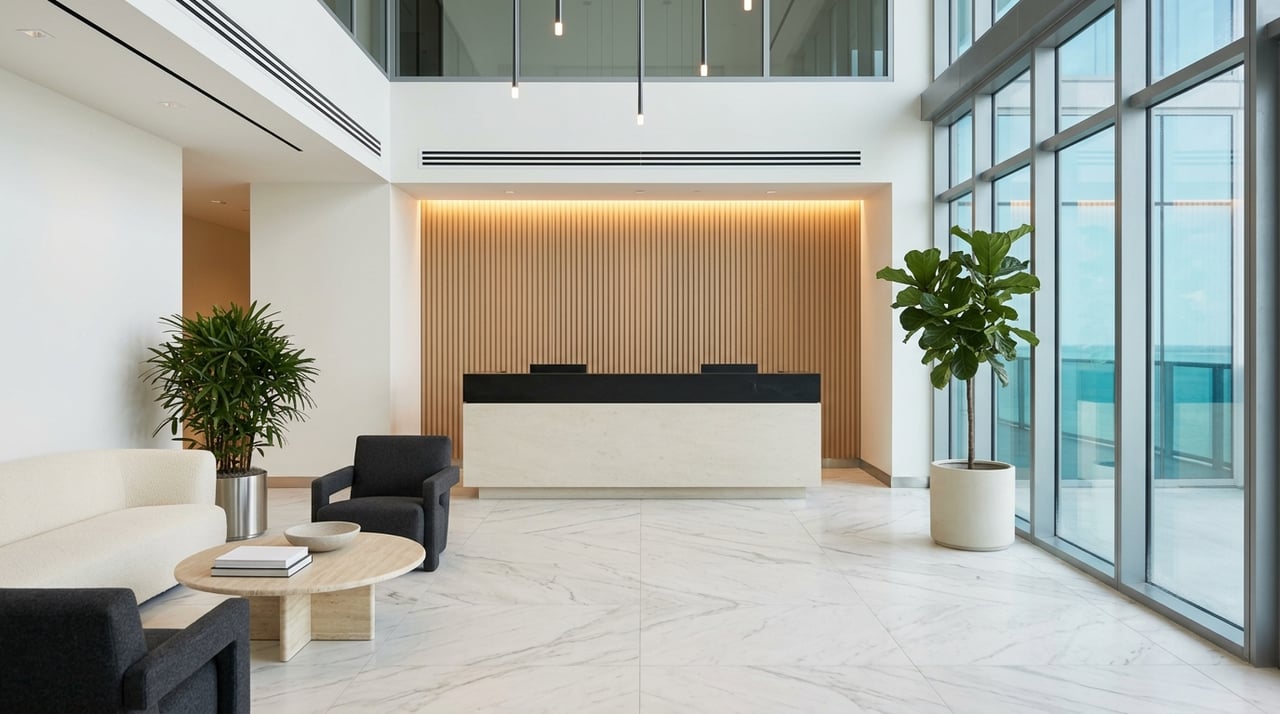
For example, current luxury developments in the market advertise features like private elevators, floor-to-ceiling windows, spacious terraces, private lobbies, valet, wellness spaces, co-working lounges, and direct beach access. These details help explain why newer buildings often appeal to buyers who want ease, privacy, and a more service-oriented experience.
Miami Beach notes that contemporary architecture often emphasizes innovation, sustainability, green building practices, energy-efficient systems, and resiliency elements. In practical terms, this can translate into newer infrastructure and design choices that align with how many buyers want to live today.
If your priority is seamless daily use, newer towers may feel more intuitive. They are often planned with entertaining, remote work, and flexible full-time occupancy in mind.
One of the biggest differences between historic and new condos is how the space actually works day to day. This is where personal taste meets practical living.
Historic buildings in Miami Beach were not always built as modern condo towers. Many originally served as hotels, theaters, restaurants, or residential buildings, which can lead to more distinctive and less standardized floor plans.
A historic condo may give you charm that is hard to replicate. You might find original design details, a smaller building feel, and a layout with more personality.
At the same time, these floor plans can feel less predictable. Depending on the building, room sizes, storage, and flow may differ from what you would expect in a newer luxury residence.
New luxury condos tend to offer more standardized planning. In current Miami Beach developments, residences are often marketed with larger bedroom counts, flow-through living and dining areas, light-filled interiors, and expansive terraces.
For many buyers, that makes day-to-day living simpler. If you need space for guests, work-from-home flexibility, or easy entertaining, newer layouts may check those boxes more consistently.
The amenity gap between historic condos and new luxury towers is often significant. This is one of the clearest dividing lines in the Miami Beach market.
Newer buildings frequently compete on service and lifestyle programming. Some current projects market tens of thousands of square feet of amenities, including pools, cabanas, wellness areas, beach clubs, cafes, screening rooms, concierge service, valet, security, and even butler service.
Historic condos usually compete less on large amenity packages and more on architecture, location, and neighborhood texture. In many cases, the experience is about living within a recognizable piece of Miami Beach design history rather than within a private-club environment.
If you care most about building identity, walkable context, and a more intimate scale, a historic condo may feel more meaningful. If you want a highly serviced residence with broad lifestyle perks, a new luxury tower may be the better fit.
This is where buyers need to slow down and look past aesthetics. In Miami Beach, the maintenance profile of a building can have major financial implications.
The city states that many buildings must go through recertification at 30 years old, or 10 years after that from the original certificate of occupancy, with certain exceptions. Florida law also requires milestone inspections for condo and cooperative buildings that are three habitable stories or more by the end of the year they turn 30, and then every 10 years after that.
Local enforcement agencies can require inspections at 25 years when coastal conditions such as salt water justify it. In a coastal market like Miami Beach, that matters.
These inspection rules are especially important when you are considering an older condo building. They do not automatically mean a building has a problem, but they do mean you should understand the timing, findings, and repair implications before you buy.
Under Florida’s condo rules, associations are responsible for milestone-inspection costs. The process has two phases, and if phase two reveals structural deficiencies, repairs generally must begin within 365 days.
Florida also requires owner-controlled associations that existed on or before July 1, 2022 to complete a structural integrity reserve study by December 31, 2025 for each building that is three stories or higher. For buyers, that makes association documents and reserve planning essential review items, not background paperwork.
Florida now requires disclosure in residential sales contracts entered after December 31, 2024 when a milestone inspection, turnover inspection, or structural integrity reserve study is required or has not been completed.
That means your due diligence should include a close review of:
Historic condos can carry one financial advantage, but it is not universal. Miami-Dade offers a 10-year ad valorem tax exemption for qualifying historic rehabilitation.
That said, eligibility depends on the property’s designation and the nature of the work. This can be meaningful in the right situation, but it should be treated as a potential benefit to verify, not a built-in assumption.
The best choice usually comes down to separating emotional appeal from ownership reality. Both historic and new Miami Beach condos can be exceptional, but they serve different priorities.
A historic Art Deco or MiMo condo may be right for you if you value character, a strong sense of place, and a lower-rise or more intimate building feel. You should also be comfortable doing deeper homework on preservation rules, maintenance history, reserves, and inspections.
A new luxury condo may be the better fit if you prioritize newer systems, broader amenities, more standardized layouts, and a service-driven lifestyle. For many buyers in the upper tier of the Miami Beach market, that combination supports both convenience and long-term usability.
Before you decide between historic charm and new luxury, ask these questions:
When you answer those questions clearly, the right direction usually becomes easier to see.
Miami Beach offers some of the most distinctive condo choices in South Florida, from landmark architecture to amenity-rich modern towers. If you want help comparing specific buildings, reviewing the ownership trade-offs, and identifying which option best fits your lifestyle goals, Debra Golan can guide you through the process with discreet, market-savvy advice.
Stay up to date on the latest real estate trends.


Golan Group Miami at Douglas Elliman represents the finest of waterfront living. Whether you are selling or buying, count on our team to listen, understand and accomplish your goal.