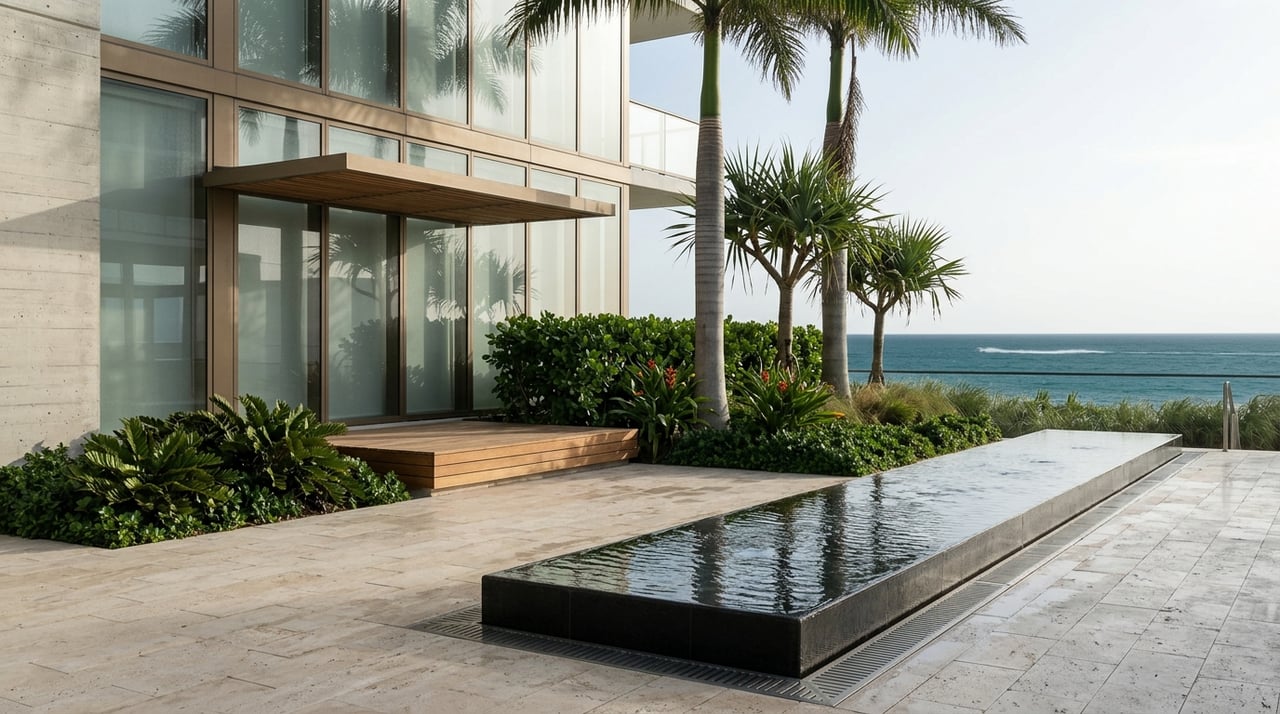
Finding Quiet Luxury Along The Miami Beach Oceanfront
May 28, 2026
May 28, 2026
What does luxury look like when it is not trying to prove anything? Along the Miami Beach oceanfront, the most refined addresses often feel calm, private, and quietly confident rather than loud or theatrical. If you are searching for a beachfront home that prioritizes discretion, design, and service, understanding where to look and what to value can save you time and sharpen your search. Let’s dive in.
On Miami Beach, quiet luxury is less about spectacle and more about how a property lives day to day. The strongest signals tend to be lower-density buildings, private or semi-private beach access, thoughtful service, and architecture that feels restrained and intentional.
In practical terms, that can mean fewer residences in the building, discreet arrivals, valet and concierge support, and floor plans that open toward large terraces and indoor-outdoor living. The feeling is polished, but not performative.
Miami Beach also works differently than many buyers first expect. Rather than one uniform oceanfront strip, the city is commonly understood as three connected areas: South Beach, Mid Beach, and North Beach. With the Beachwalk and complimentary trolleys connecting them, you can move easily between areas, but each stretch has its own pace and personality.
For many buyers, North Beach is the clearest match for a quieter oceanfront lifestyle. Roughly spanning 63rd Street to 87th Terrace, it is described as largely residential, with fewer tourists and a more leisurely pace.
This part of Miami Beach also carries a strong MiMo identity, which reflects the postwar era that shaped much of its modern beachfront character. Combined with its open-space assets and calmer atmosphere, North Beach often appeals to buyers who want privacy without feeling removed from the oceanfront lifestyle.
Mid Beach, commonly described as running from 23rd to 63rd Street, offers a middle ground. It remains deeply connected to the oceanfront resort tradition, but it is generally less overtly theatrical than South Beach.
This is where you find some of Miami Beach’s strongest expressions of design-driven luxury. The Collins Avenue stretch between 44th and 53rd Streets includes the Morris Lapidus and Mid-20th Century Historic District, while the area north of 41st Street has long been associated with Millionaire’s Row and Miami Beach’s luxury resort history.
For a buyer who wants refined service, strong design, and a prestigious beachfront address, Mid Beach often deserves the closest look. It can deliver privacy, but with a fuller hospitality ecosystem around you.
South Beach is iconic, photogenic, and culturally important, but it is usually not the first recommendation for a buyer focused on quiet luxury. Its identity is closely tied to Art Deco architecture, nightlife, music, and a more animated public scene.
That energy can be exciting, but it is a different experience from the more residential stretches farther north. If your priority is discretion and a softer daily rhythm, Mid Beach and North Beach are generally the better fit.
Not every luxury building feels the same. On Miami Beach, the most compelling quiet-luxury residences tend to share a few core traits.
One of the clearest signals is simply fewer homes per building. Lower density often supports a more private feel, a quieter lobby, and a smoother ownership experience.
Buildings like 57 Ocean and The Perigon are useful examples of this approach, each offering 71 and 73 residences respectively. In a market where scale can sometimes overwhelm intimacy, that smaller residential count can make a meaningful difference.
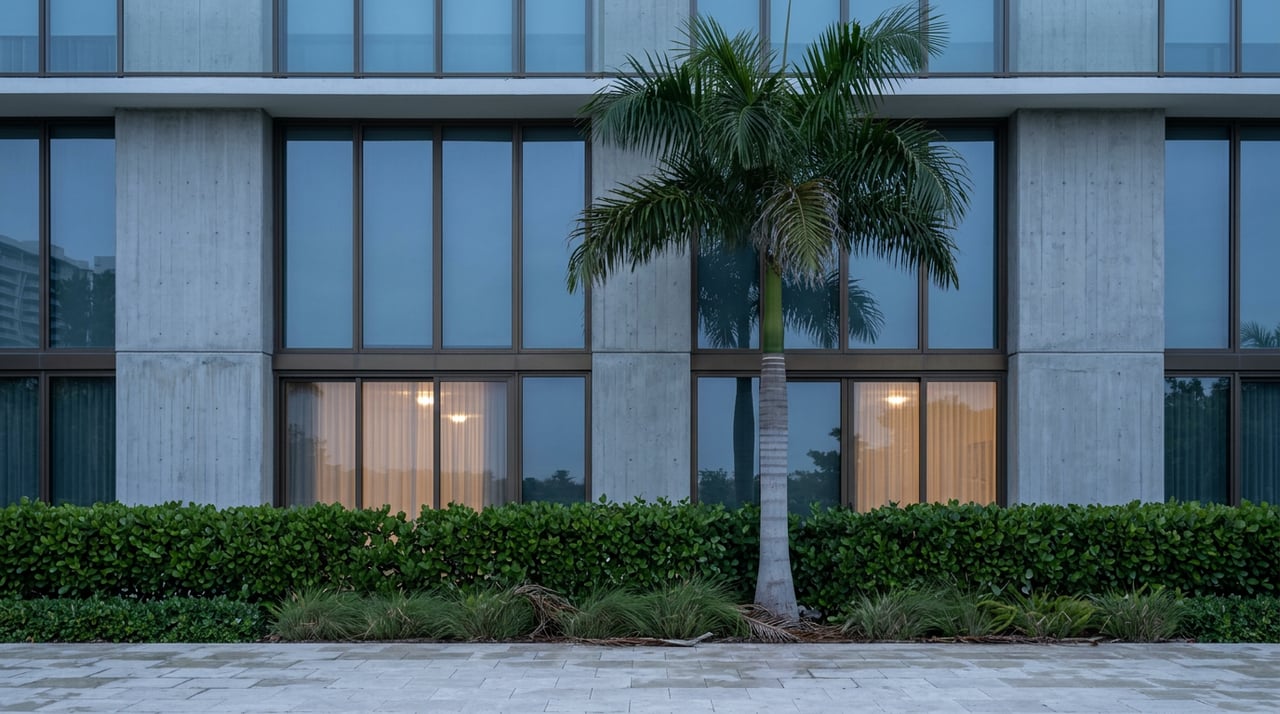
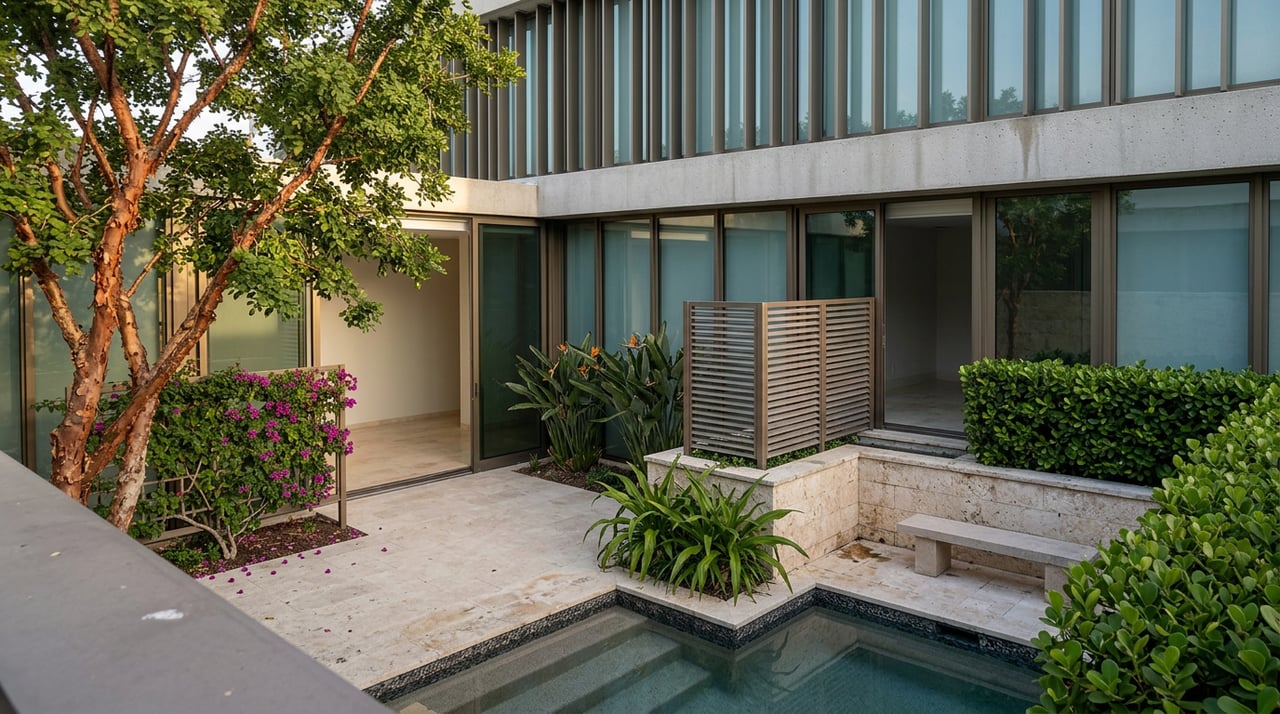
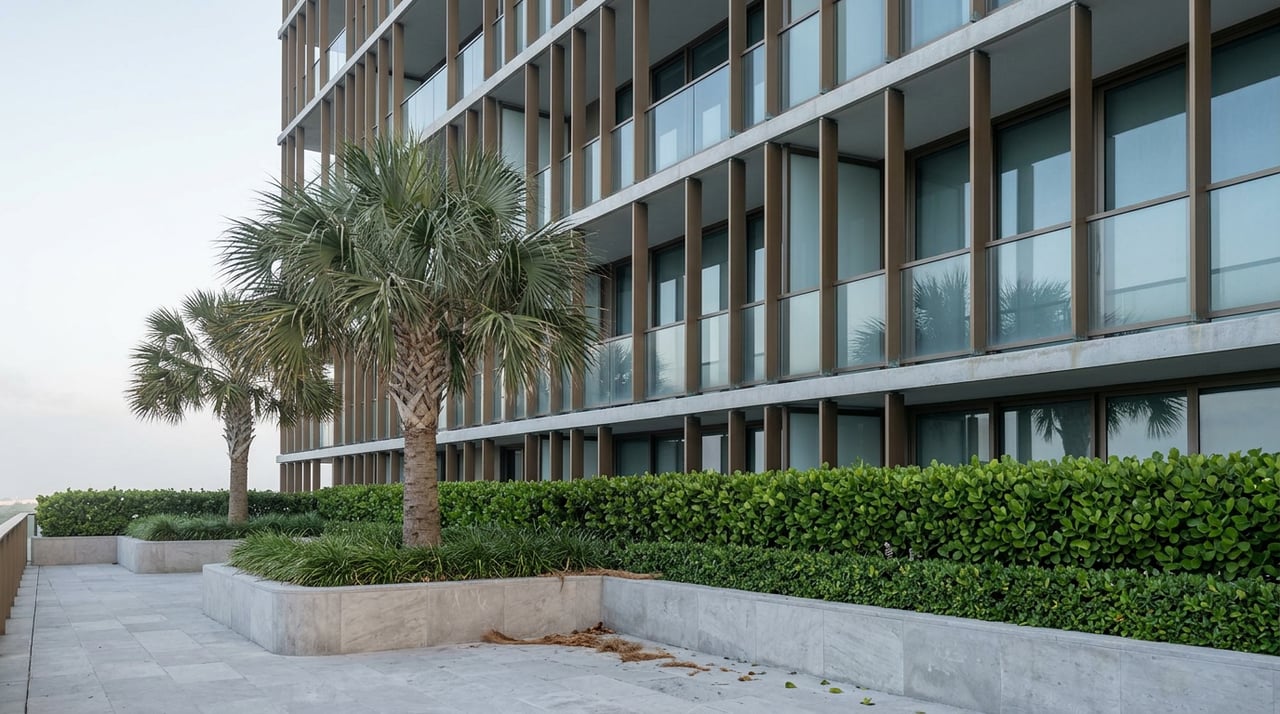
Quiet luxury usually starts with architecture that does not compete with the setting. The strongest buildings use light, proportion, landscaping, and materials to create a composed atmosphere that connects to the sea and sky.
At 57 Ocean, that idea shows up through vertical gardens, a double-height lobby, meditation gardens leading to the sand, and a design language centered on wellness and calm. Eighty Seven Park pushes that concept further with a design vision intended to merge with park and ocean, creating one of the most serene residential experiences on the beach.
Luxury service is most powerful when it feels natural rather than visible. Valet, concierge, security, and private elevator access all contribute to a more controlled and comfortable daily routine.
The Perigon is a strong example of the hospitality-linked model, with private elevator entrances, dedicated concierge, valet, security, and resident-only amenities that support a very insulated beachfront lifestyle. For some buyers, that service layer is just as important as the residence itself.
Many oceanfront buyers today are not just buying square footage. They are buying a routine, a sense of ease, and amenities that support how they want to live.
That is why wellness programming has become one of the defining markers of quiet luxury on Miami Beach. Spa spaces, fitness areas, meditation gardens, wellness coaching, and beachside access all help turn an address into a more complete lifestyle offering.
Quiet luxury is not one fixed style. On the Miami Beach oceanfront, it can show up in a few different forms.
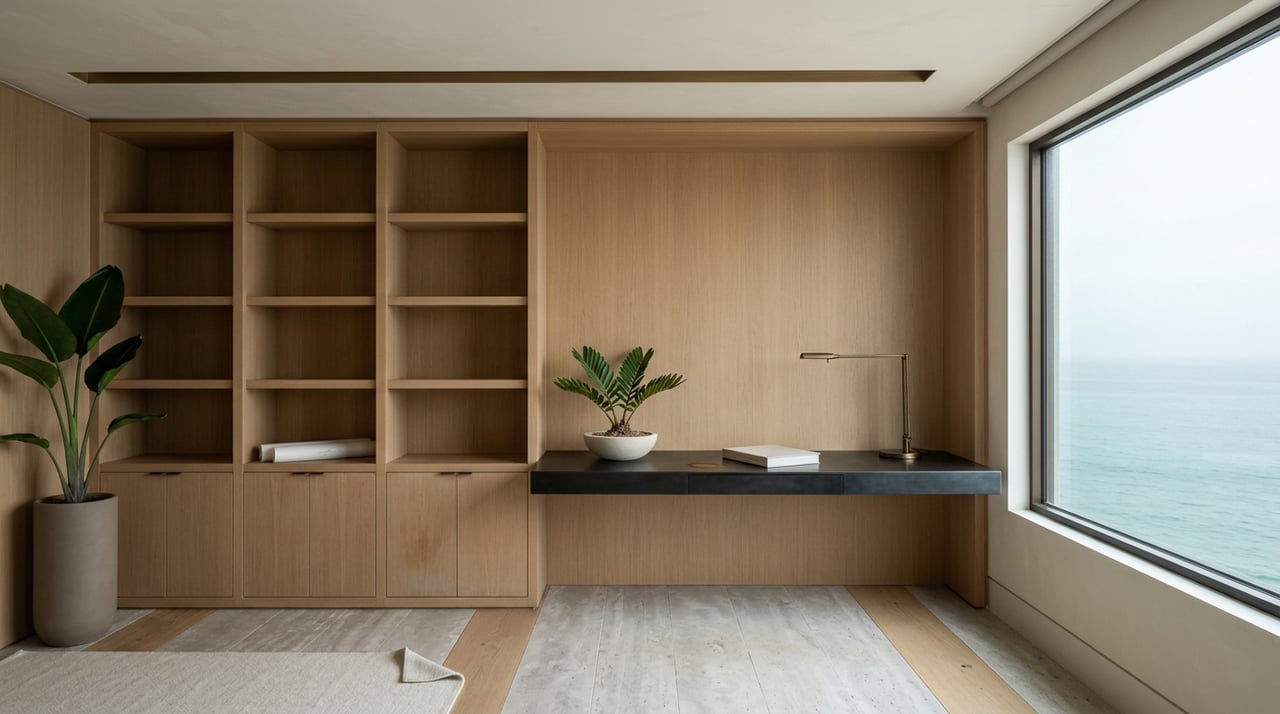
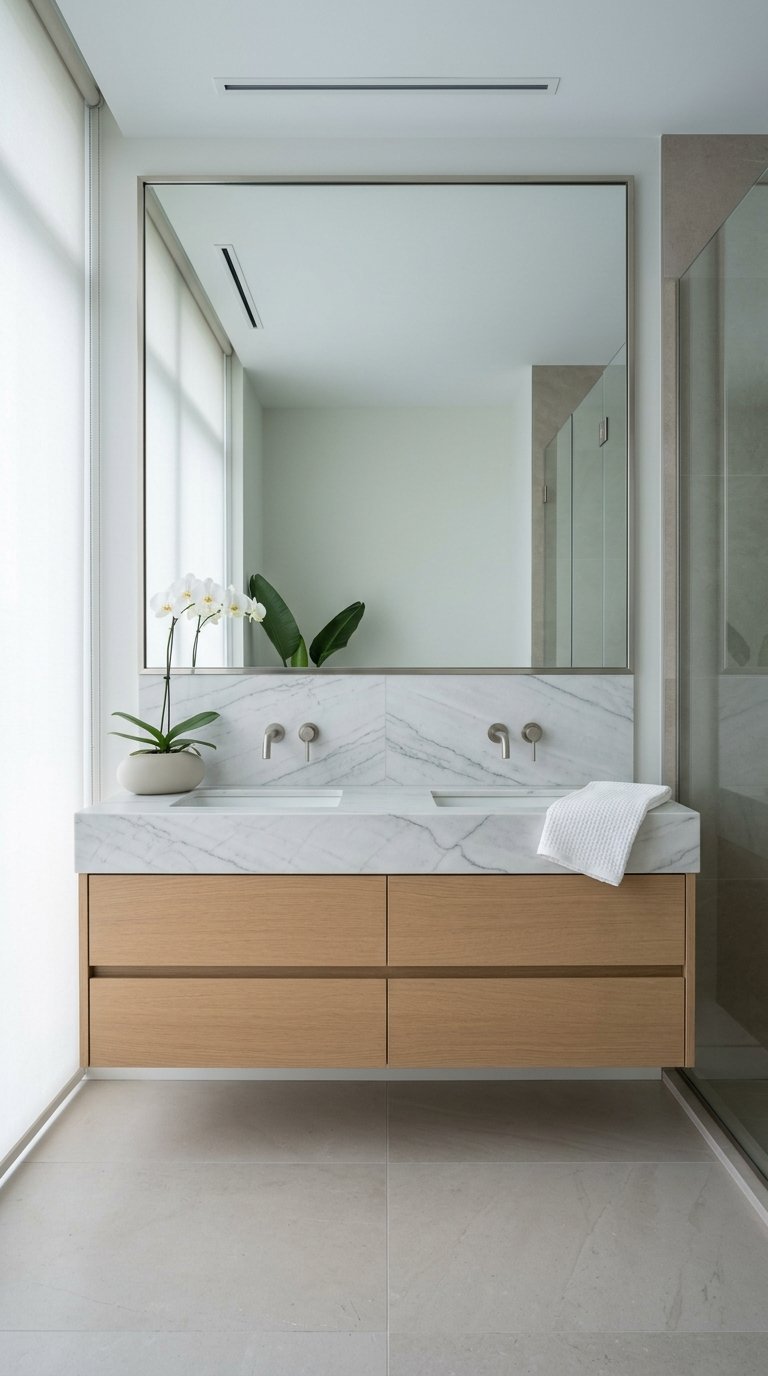
Some buyers are drawn to contemporary architecture and a clean, minimalist mood. In these buildings, the luxury comes from design discipline, lower density, and a strong indoor-outdoor connection.
This category includes examples like 57 Ocean and Eighty Seven Park, where the architecture itself helps set the tone. These properties tend to appeal to buyers who want elegance without visual noise.
Other buyers prefer a more service-rich environment that borrows from five-star hospitality. Here, the appeal comes from private access, concierge support, curated amenities, and the convenience of a highly managed lifestyle.
The Perigon fits this model well. Although highly amenitized, its emphasis on seclusion, oversized terraces, and resident-only experiences still aligns with the broader quiet-luxury brief.
For some, quiet luxury means tradition, privacy, and a more controlled social setting. That is part of the appeal of environments like The Bath Club, which offers a restored 1920s estate, members-only beach access, and a private-club atmosphere.
This is a different kind of luxury than a new tower. It is less about newness and more about ritual, service, and a feeling of old-world discretion.
Not every refined oceanfront address is completely quiet. Faena Miami Beach is a helpful example of how art, hospitality, and wellness can create a deeply luxurious setting even in a more animated section of the beach.
If you value design, service, and cultural energy, this style of luxury may still resonate with you. It simply delivers refinement in a more expressive way.
One reason Miami Beach works so well for this lifestyle is that it can feel unusually easy to navigate for a beachfront market. The city describes the Beachwalk as a seven-mile oceanfront promenade, and complimentary trolleys connect South Beach, Mid Beach, and North Beach.
That matters because quiet luxury is not only about what happens inside a building. It is also about how effortlessly you can move through your day, whether that means a morning walk by the ocean, a short ride to dining or wellness, or a car-light routine that feels more relaxed.
For many buyers, that connected framework adds real lifestyle value. It supports a sense of calm without sacrificing access.
The romance of oceanfront ownership is real, but so is the need for clear-eyed diligence. Miami Beach is a coastal island with low elevation, so flooding from heavy rainfall, high tides, and storm surge is part of the ownership equation.
The city states that it has implemented resilience measures including stormwater management, elevated streets, a resilience code, and higher seawalls. Even so, its flood insurance information notes that under current FEMA maps, 93% of buildings are in the Special Flood Hazard Area.
That does not mean you should avoid the oceanfront. It does mean you should evaluate each opportunity with care and pay close attention to the building, not just the view.
Here are a few essentials to review during your search:
In the ultra-luxury segment, these details are not secondary. They are part of what protects both your experience and your long-term ownership comfort.
If your goal is maximum calm, North Beach may be the strongest fit. Its residential feel, slower pace, and open-space character often align well with buyers who want true escape on the oceanfront.
If you want privacy with a more developed hospitality and design scene, Mid Beach may offer the best balance. It brings together history, luxury, and service in a way that feels distinctly Miami Beach without becoming overly busy.
If you are drawn to energy, culture, and iconic branding, selected parts of South Beach or more expressive Mid Beach addresses may still work. The key is knowing whether you want a home that feels like a retreat, a social hub, or a mix of both.
Finding quiet luxury along the Miami Beach oceanfront is ultimately about matching your lifestyle to the right micro-market and the right building type. The most successful searches usually start with a clear understanding of what matters most to you: privacy, architecture, wellness, service, or a sense of club-like exclusivity.
Miami Beach offers all of those options, but not in the same way everywhere. When you know how North Beach, Mid Beach, and South Beach differ, and when you know which building features truly shape the ownership experience, your search becomes much more precise.
If you are considering an oceanfront purchase and want discreet, knowledgeable guidance on Miami Beach’s most refined waterfront opportunities, Debra Golan can help you explore the market with clarity and confidence.
Stay up to date on the latest real estate trends.
Golan Group Miami at Douglas Elliman represents the finest of waterfront living. Whether you are selling or buying, count on our team to listen, understand and accomplish your goal.